
Creating The Smart Cities Of The Future
In true Technocrat form, SAP states, "No smart city can accomplish this without real-time data about its infrastructure, inhabitants, and activities." Real-time data means real-time surveillance.

In true Technocrat form, SAP states, "No smart city can accomplish this without real-time data about its infrastructure, inhabitants, and activities." Real-time data means real-time surveillance.

The Complete Streets Act being promoted in the Senate and House is straight out of the UN's playbook for implementing Sustainable Development. Complete Streets is an initiative of Smart Grown America.

The Smart-City carrot is always the same: "deliver sustainable solutions to economic growth and improve the lives of citizens," but the outcomes are opposite: Cost of living goes up along with the poverty level.

Alphabet's Sidewalk Labs is taking heat on its Quayside Smart City development in Toronto, but there is no reason to trust their CEO's pledge to not sell private data collected on every citizen: The whole project is predicated on collecting and selling data.

There is no escape from digital slavery: China now reveals that "most citizens are required to download apps on their phones that let the authorities monitor what they look at and track their movements."
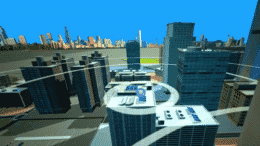
he vast majority of Americans have no idea of Big Tech's massive drive to make digital slaves out of every urban dweller. Smart street lights will often be at the heart of data collection and coordination.

Google tricked Toronto into creating the model smart city, Quayside. Venture capitalist Roger McNamee states: “It is a dystopian vision that has no place in a democratic society.” And yet, Smart City tech is a tsunami to the U.S.

The United Nations met in Nairobi to give teeth to the New Urban Agenda adopted in December 2016. The new strategy lends full ideological support to the global Green New Deal movement. Every city on the planet will be inundated with the new propaganda.

This story's sponsor, Here, asks "Can data make cities more human?" Yet, it's all about them, not citizens: "It's really a utopia or oblivion moment - it depends on us architects where we want to go." In reality, citizens don't care where Technocrats want to go.

Smart City apologists have a technological solution to every conceivable problem, but few understand the web of control they are creating around all inhabitants. As Charles Dickens might have written, "The future is utopian. The future is dystopian."